Have it picked up
Already pulled up? We pick up the rolls and pad anywhere in Seattle. Still on the floor? We pull it up and take it away.
$99 pickup only
$248 full removal
first room · extra rooms from $39
Where to take old carpet in Seattle, what it costs, where you can recycle it, and what the local rules say.
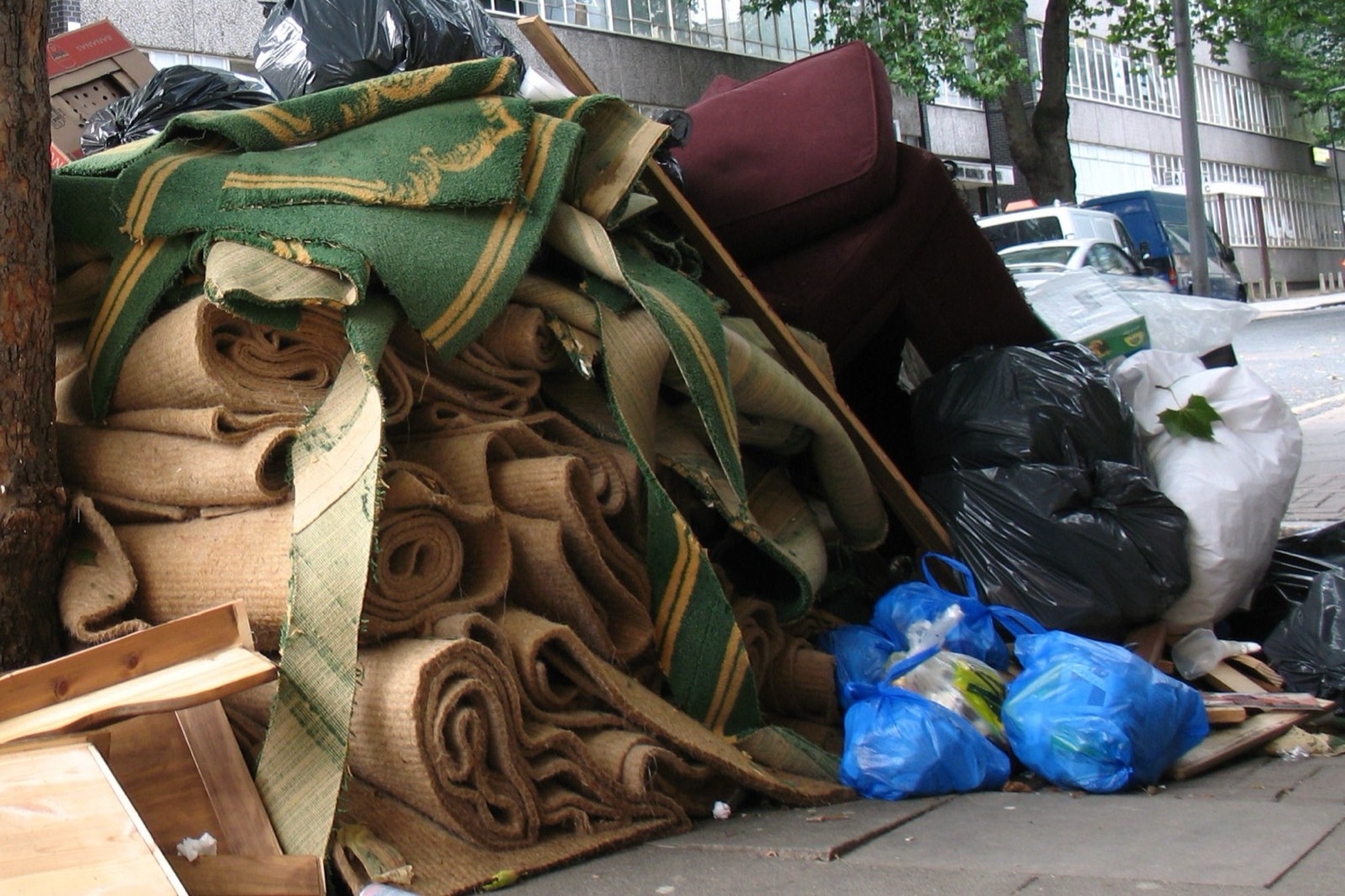

Seattle’s own pickup takes carpet if you follow its schedule and rules. If you can’t wait, or the carpet is still on the floor, we come on the day you choose.
We can’t take glued-down carpet without a quote, tile, wood or vinyl flooring, or general junk.
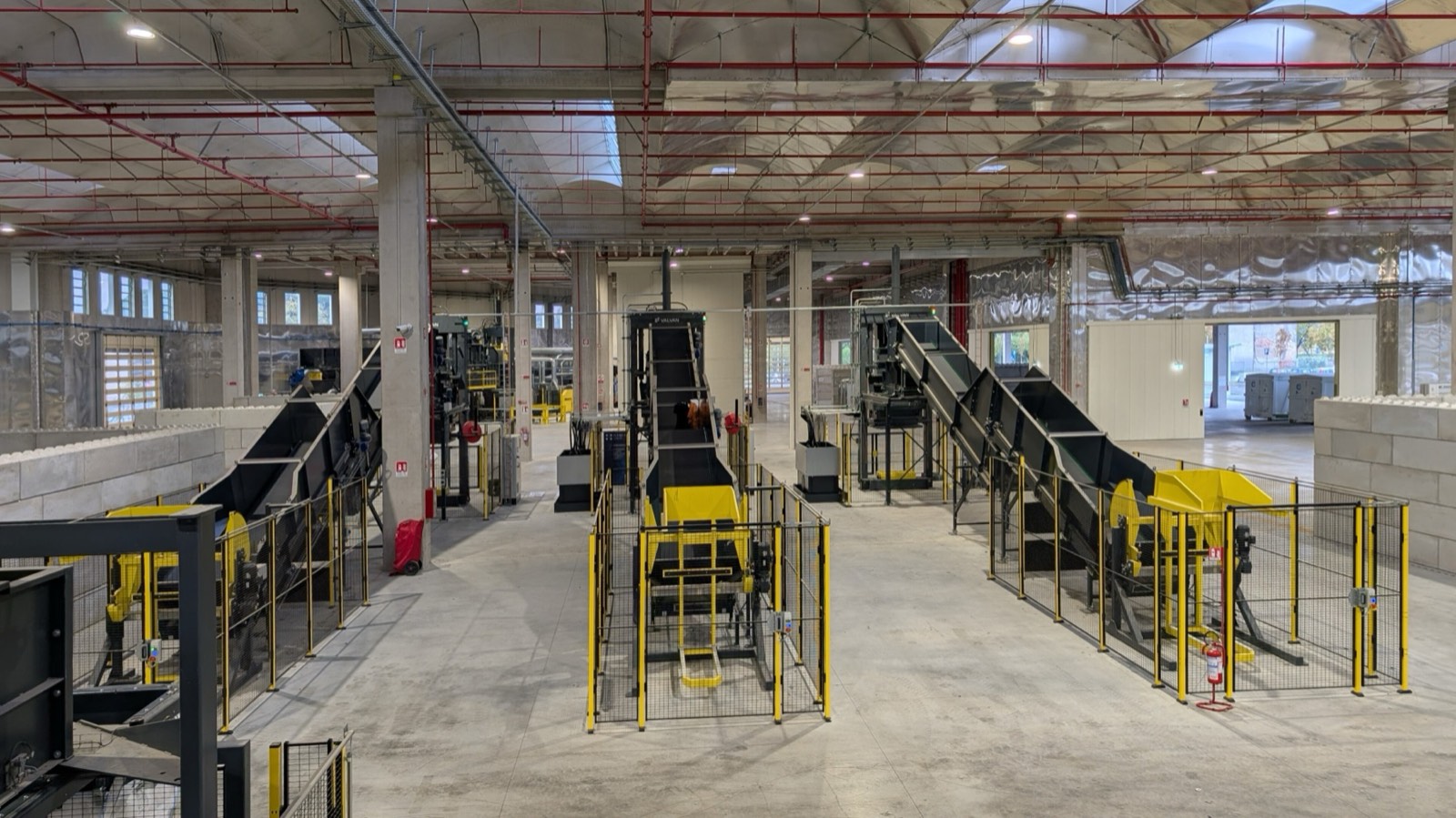
Carpet makers, pad recyclers and textile recyclers take what they can use.
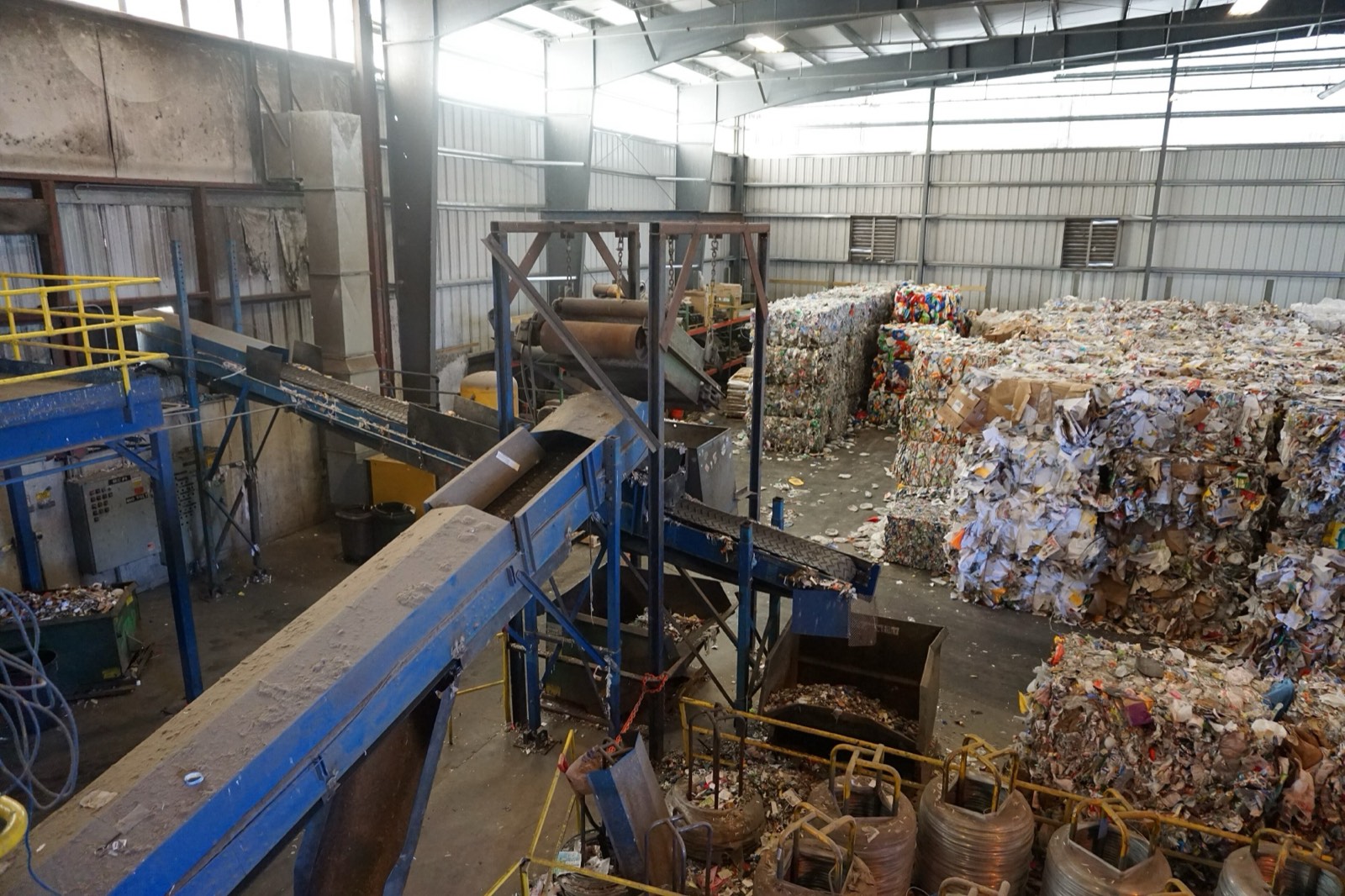
Where it goes depends on what the carpet and pad are made of and their condition.
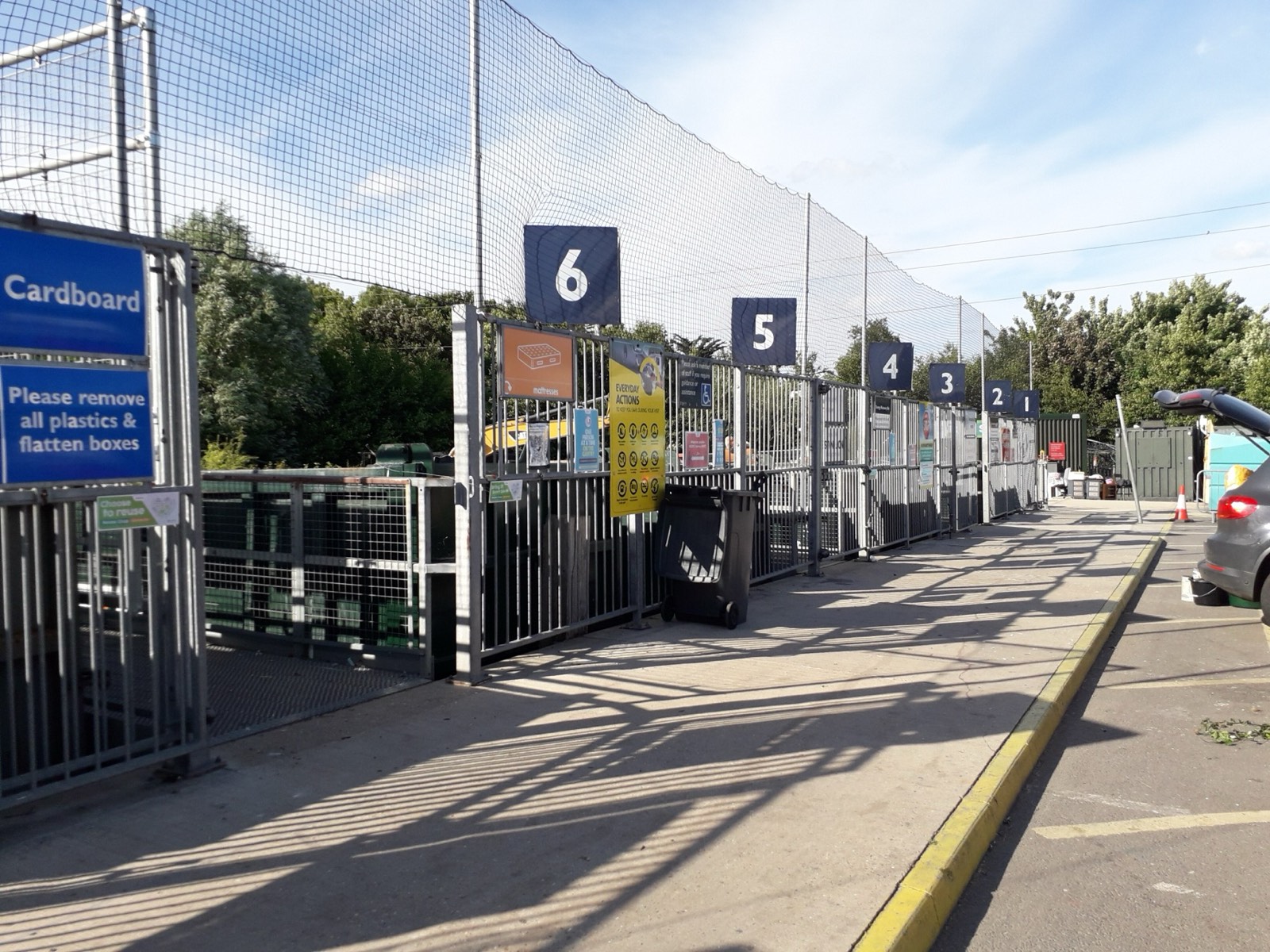
Carpet none of them can use goes to a licensed landfill or transfer station.
Cut carpet into pieces no longer than 8 feet and lighter than 200 pounds. Take it to the North or South Transfer Station ($37 minimum), or call 206-684-3000 for a Special Item Pickup.
Seattle Public Utilities picks up large items from homes for a fee. Its Where Does It Go? tool says to book a Special Item Pickup for carpet or pad that won't fit in a 32-gallon bag. Pickup comes on your next regular garbage day after you book.
Cost: Large items are $31 each. The charge goes on your utility bill.
1350 N. 34th St., Seattle, WA 98103
The busiest times are Monday mornings and 11 a.m.-3 p.m. on weekends. Seattle is replacing the station's main doors in November 2026, so expect delays.
130 S. Kenyon St., Seattle, WA 98108
Commercial trucks crowd the station from 3 to 5 p.m. on weekdays. Tuesday through Thursday are the quietest days.
Seattle has no carpet recycling drop-off for residents. Seattle Public Utilities sends carpet and pad to the garbage. The nearest recycler we found is Recovery 1 in Tacoma, which takes dry, clean carpet. Call first, since it doesn't post prices or hours.
1805 Stewart St., Tacoma, WA 98421
Pierce County lists Recovery 1 under "Carpet and Carpet Pads", but its note names carpet only. Ask about pad before you load it. Ask too whether carpet torn out of a home counts as demolition waste that needs a survey.
We work with carpet makers, carpet pad recyclers and textile recyclers across the country. Where your carpet goes depends on what it’s made of and its condition. Carpet none of them can use goes to a licensed landfill or transfer station. Book a pickup.
In Seattle, old carpet and pad go in the garbage. Small pieces can go in your cart if the lid closes. For more, take the carpet to the city's North or South Transfer Station, in pieces up to 8 feet long and 200 pounds. The minimum charge there is $37. Seattle Public Utilities also picks up larger amounts through Special Item Pickup for a fee.
Seattle's Where Does It Go? tool says to bring carpet and pad in pieces up to 8 feet long and 200 pounds. The stations turn away material over 8 feet long and over 200 pounds. Cut and roll the carpet before you load it.
Cut carpet or pad small enough that the cart lid closes. Extra garbage costs $14.40 per bag or can, up to 32 gallons and 60 pounds. Label each extra bag with your address and set it next to the cart.
Seattle charges an unsecured load fee: $3 on a minimum load, $5 up to 1 ton and $10 over 1 ton. Tie down or tarp the carpet before you drive.
Only the person on the Seattle Public Utilities bill can book a Special Item Pickup. If you rent or live in a building with 5 or more units, ask your landlord or property manager to book it.
Seattle bans asphalt, brick, concrete, metal, cardboard, new gypsum scrap and clean wood from the garbage on job sites. Carpet is not on that list. Projects worth $75,000 or more must file a Waste Diversion Report with Seattle Public Utilities.
Washington doesn't ban carpet from the trash. Ecology runs maker-paid recycling programs for batteries, electronics, paint, mercury lights and solar panels, but none for carpet. Carpet recycling bills in 2011 and 2012 did not become law.
Cut it into strips. Strips about 4 feet wide roll tight and are easier to lift. Most city pickups and drop-off sites set a length or weight limit. Check the rules above.
Roll the pad separately. Many recycling sites take pad and carpet in separate piles.
Keep it dry. Wet carpet is much heavier, and recycling sites may turn it down.
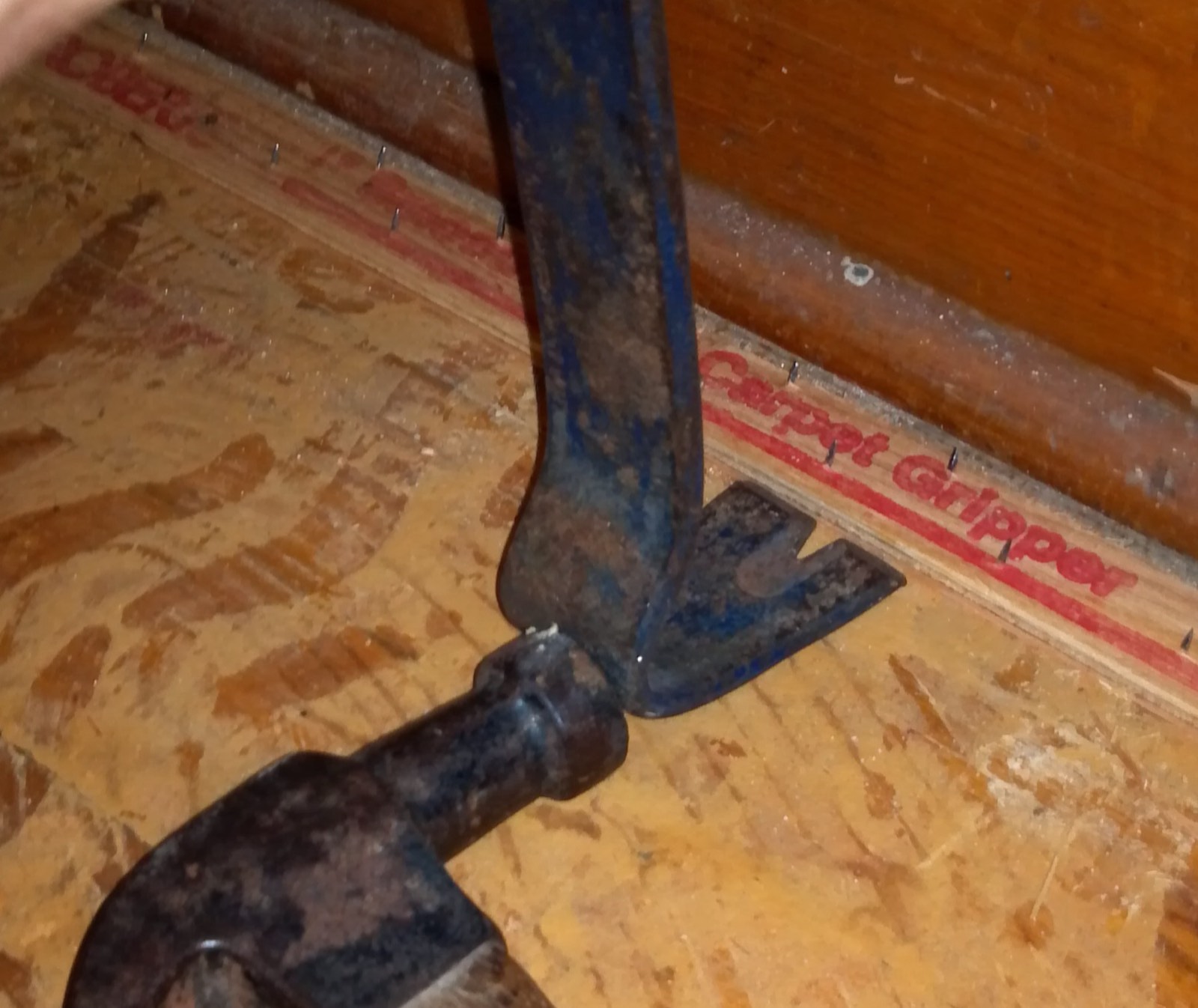
Watch for tack strip. It has sharp nails. Wear gloves, and keep it out of the carpet rolls.
Booking our pickup? If the carpet is still down, leave it and add a pull-up to your booking. Move the furniture out of the room first.
Yes. Seattle Public Utilities says carpet and padding can go in the garbage. Cut it so it fits in your cart with the lid closed. Extra bags cost $14.40 each.
Yes, for a fee. Seattle's Where Does It Go? tool says to book a Special Item Pickup for more carpet than fits in a 32-gallon bag. Large items cost $31 each. Call 206-684-3000 to book.
At the North and South Transfer Stations, garbage costs $37 per trip for up to 420 pounds. Above that you pay $174 per ton. These rates took effect April 1, 2026.
Take it to the North Transfer Station at 1350 N. 34th St. or the South Transfer Station at 130 S. Kenyon St. Both are open 8 a.m.-5:30 p.m. every day. Pieces must be under 8 feet long and 200 pounds.
Not in the city. Seattle sends carpet to the garbage. Recovery 1 in Tacoma takes dry, clean carpet for recycling. Call 253-387-7551 for price and hours.
King County counts carpet and pad as construction and demolition waste at its stations. Seattle residents can't get the county's Cleanup LIFT discount. King County's minimum charge is $40.25 per vehicle in 2026.
What we couldn't confirm: Seattle's Special Item Pickup page doesn't list carpet, though the Where Does It Go? tool sends carpet there. It also doesn't say how many rolls count as one item. Call 206-684-3000 first. One older city page lists $30 per item; the current page says $31.
Checked November 23, 2026 against these sources, not by phone. How we research.