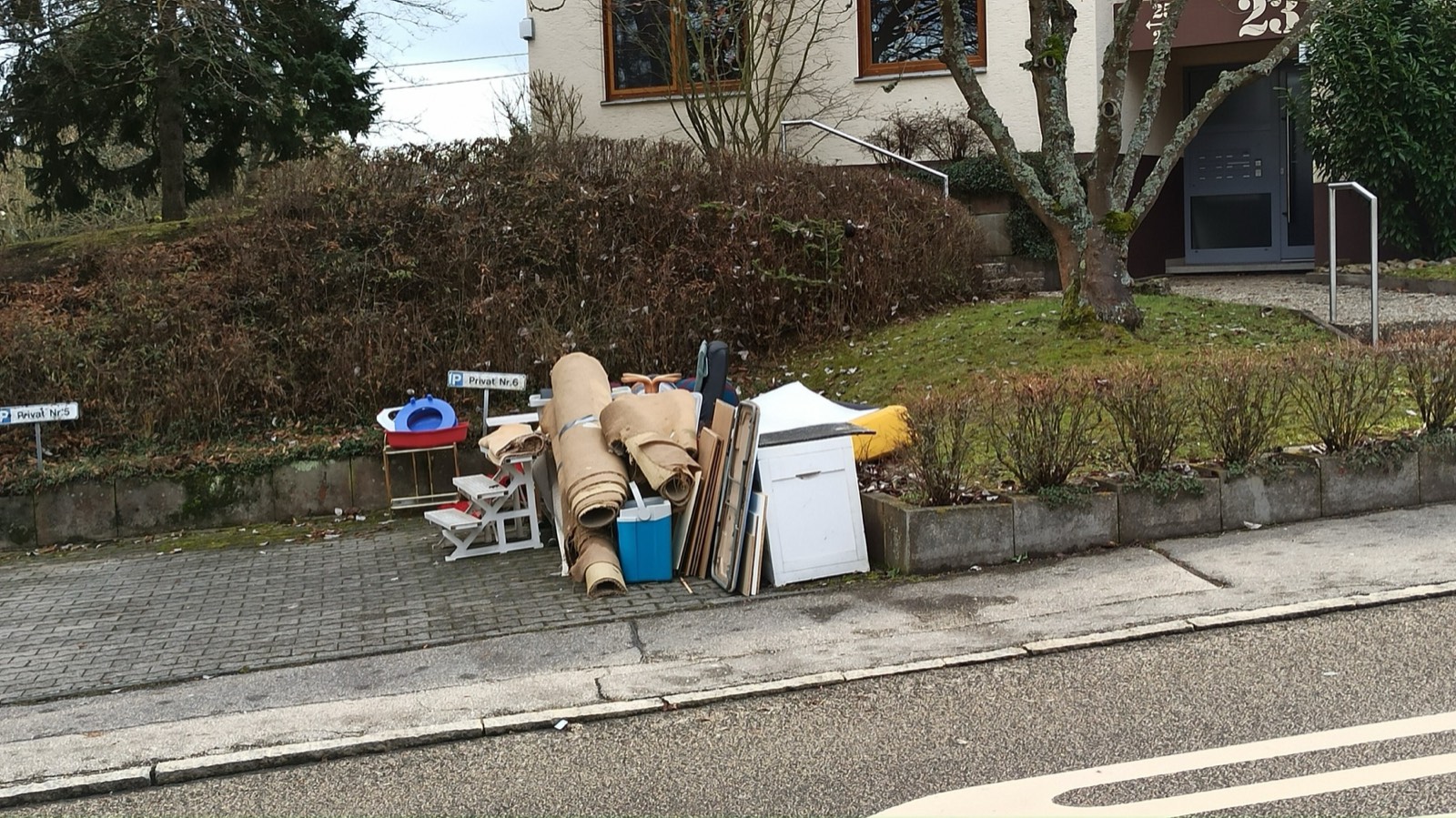
Have it picked up
Already pulled up? We pick up the rolls and pad anywhere in Thousand Oaks. Still on the floor? We pull it up and take it away.
$99 pickup only
$248 full removal
first room · extra rooms from $39
Where to take old carpet in Thousand Oaks, what it costs, where you can recycle it, and what the local rules say.
We pick up carpet anywhere in Thousand Oaks on the day you choose, Monday through Saturday. You see the full price before you pay.
We can’t take glued-down carpet without a quote, tile, wood or vinyl flooring, or general junk.
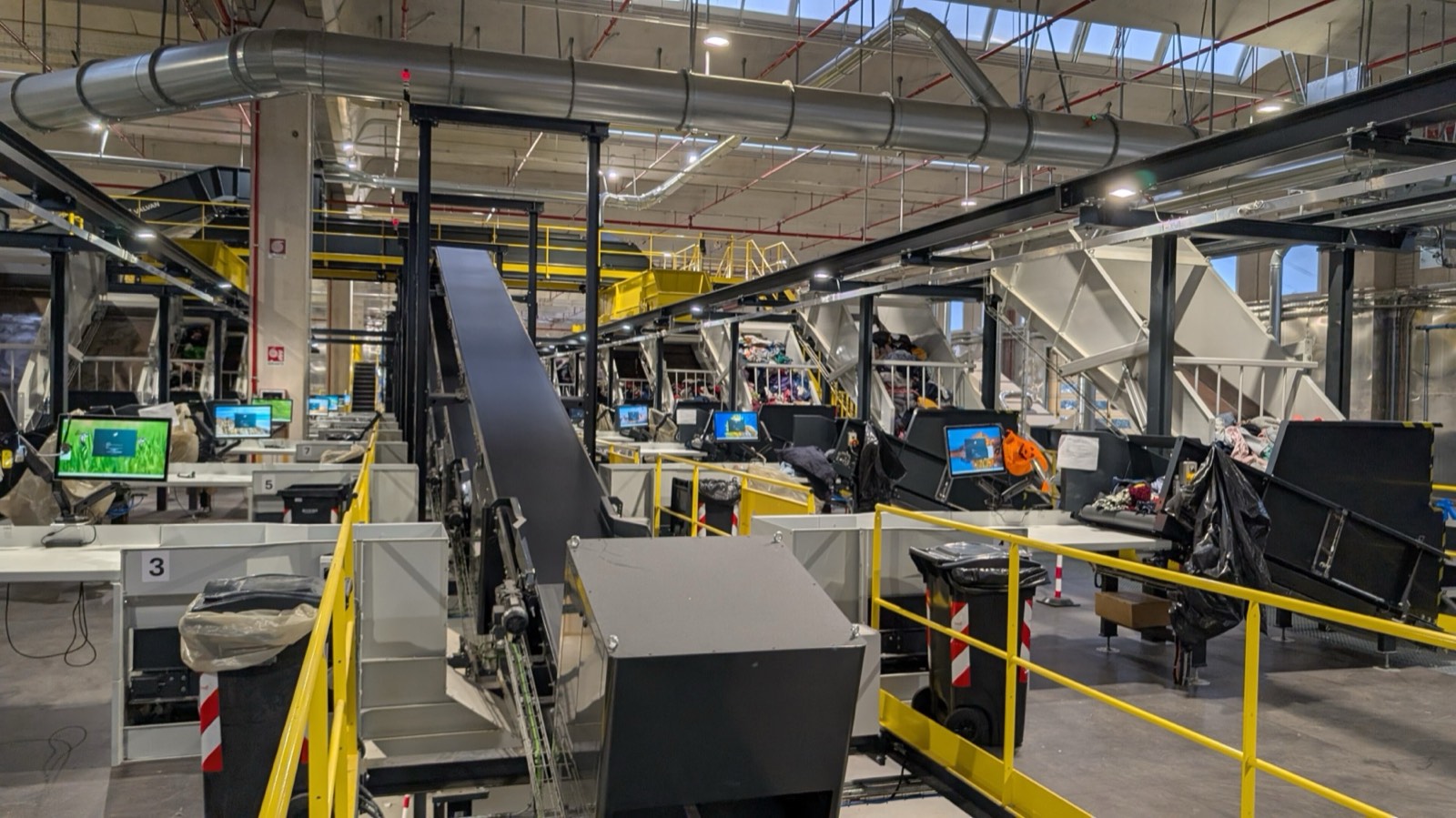
Carpet makers, pad recyclers and textile recyclers take what they can use.
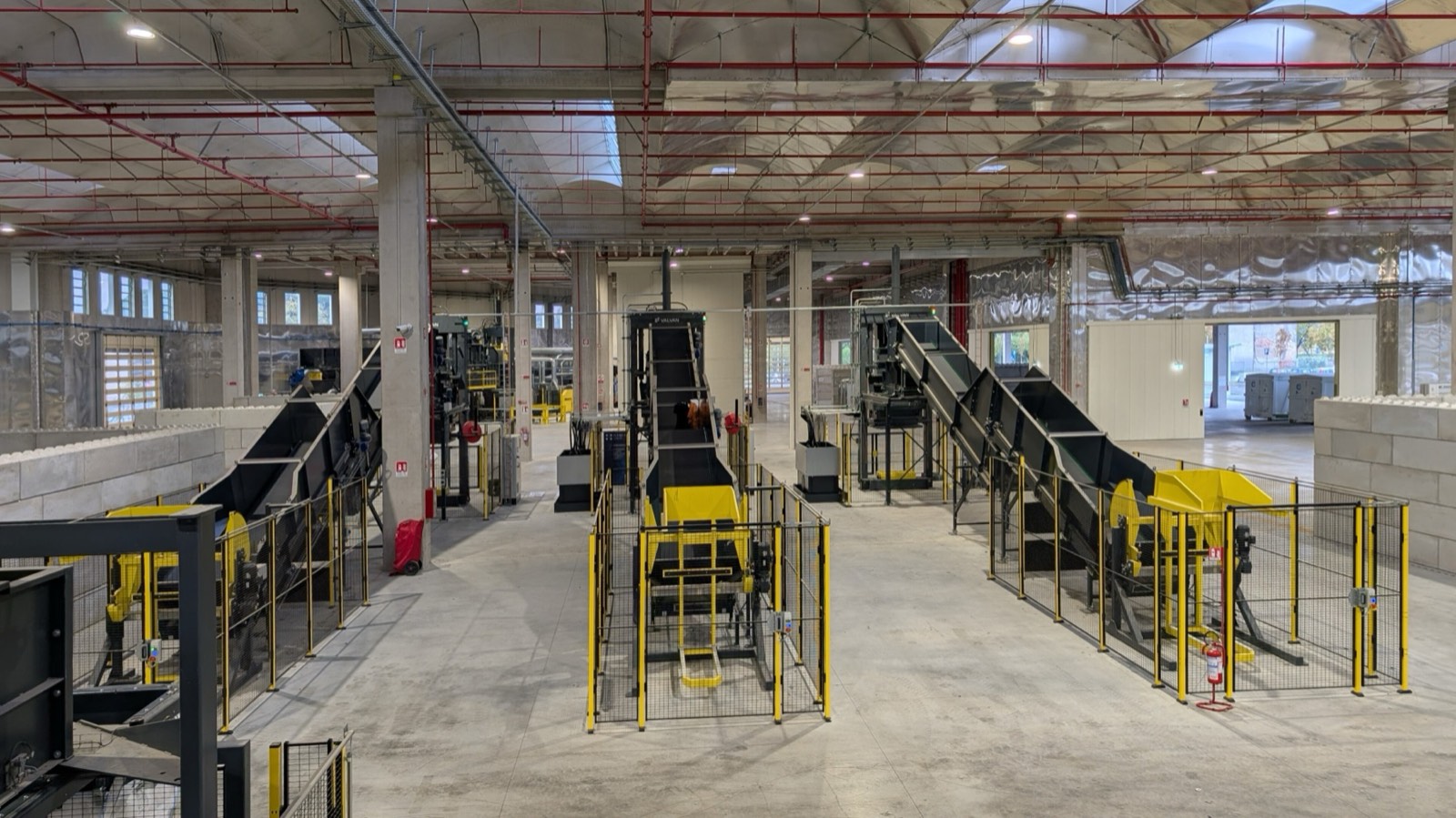
Where it goes depends on what the carpet and pad are made of and their condition.
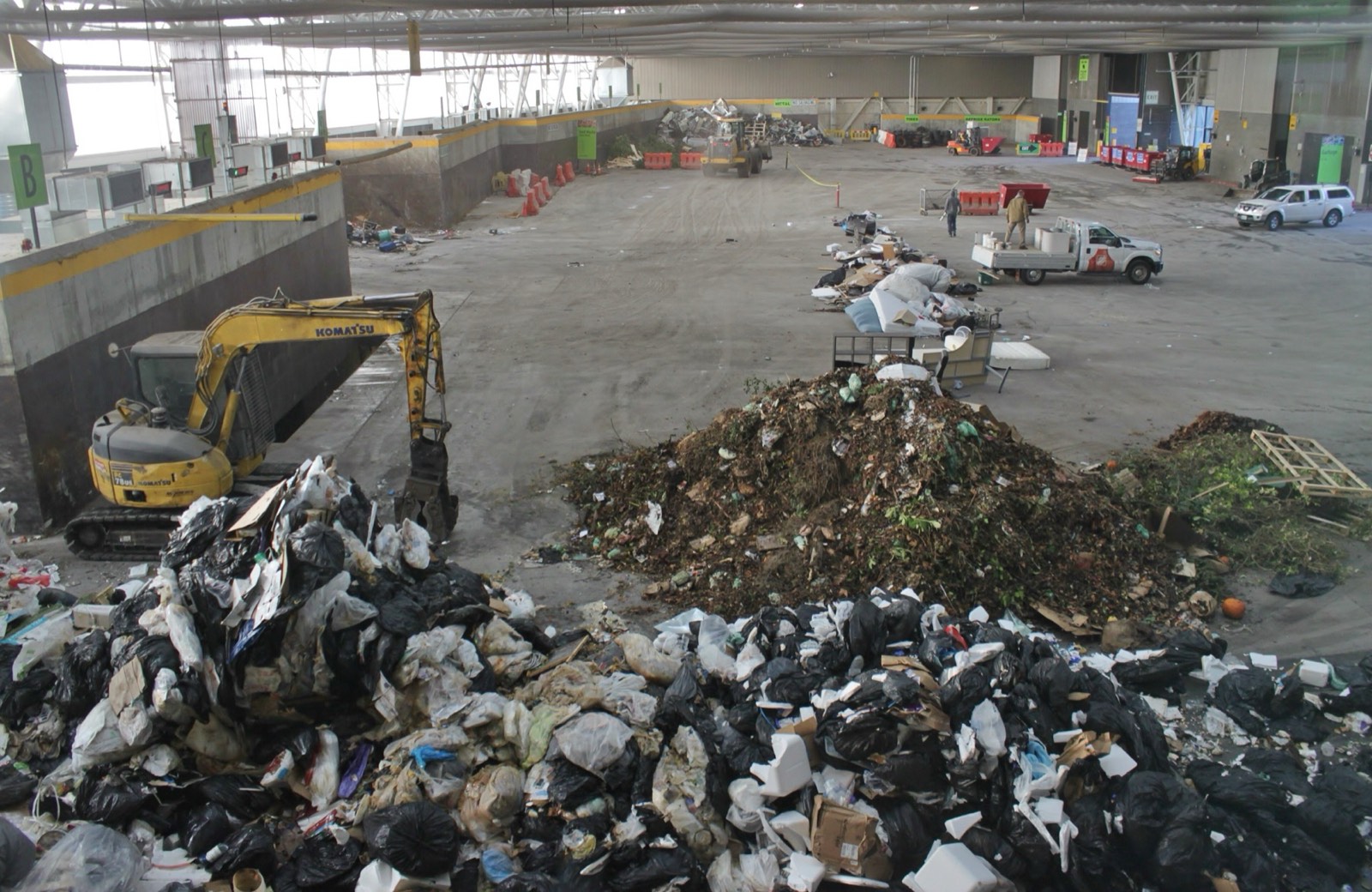
Carpet none of them can use goes to a licensed landfill or transfer station.
Haul dry, rolled carpet to Simi Valley Landfill at 2801 Madera Road for free recycling. Call Athens at (805) 852-5264 before you book a bulky pickup for carpet.
Athens picks up bulky items for Thousand Oaks residents. You get 2 free pickups a year, with 6 items in total. Athens doesn't take construction debris or loose building materials. Its brochure lists carpet as construction material, so ask before you book.
Cost: Free for 2 pickups a year (6 items in total). Athens charges for extra pickups but doesn't post the price.
We didn’t find a public landfill or transfer station that takes carpet from Thousand Oaks residents. See the recycling options below.
Yes. Ventura County and CARE, which runs California's carpet recycling program, say Simi Valley Landfill recycles carpet and pad for free. CARE also lists Calabasas Landfill, which charges its regular trash rate. Bring the carpet in a vehicle with no other trash in it.
2801 N. Madera Road, Simi Valley, CA 93065
WM's own facility page doesn't mention carpet. It is about 35 miles from Oxnard. Call 805-579-7267 before you go.
5300 Lost Hills Road, Agoura Hills, CA 91301
CARE lists an older fee of $60.32 per ton and says there is no discount for carpet. Ask at the scale house whether carpet is charged as trash or as a hard-to-handle item. Call (818) 889-0363 before you go.
We work with carpet makers, carpet pad recyclers and textile recyclers across the country. Where your carpet goes depends on what it’s made of and its condition. Carpet none of them can use goes to a licensed landfill or transfer station. Book a pickup.
You can recycle carpet and pad for free at Simi Valley Landfill, about 10 miles northeast of Thousand Oaks. Calabasas Landfill in Agoura Hills also takes carpet, but you pay by the ton. Athens Services gives Thousand Oaks homes 2 free bulky item pickups a year, with 6 items in total. Neither the city nor Athens says carpet counts, and Athens lists carpet as construction waste.
Ventura County says carpet is free at Simi Valley Landfill only if your vehicle holds no other trash. Keep the carpet dry and roll it. The landfill is open Monday to Saturday, 7 a.m. to 4 p.m.
A Los Angeles County rule lets Calabasas Landfill take waste only from nearby areas, and Thousand Oaks is one of them. Trash costs $83.13 per ton, with a 1-ton minimum. CARE says there is no discount for carpet.
Thousand Oaks bulky pickups don't take construction debris. Athens' Thousand Oaks brochure lists carpet as a construction and demolition material, but lists rugs as a bulky item. Ask Athens before you put carpet at the curb.
Projects that need a building permit must recycle at least 65% of their debris (Ordinance No. 1688-NS). Keep your landfill weight tickets. Missing tickets cost $200 for projects under 50,000 square feet.
The city holds Free Landfill Days at Calabasas Landfill for Thousand Oaks residents with Athens service. The event takes trash, bulky items and construction materials. All 2026 dates have passed. Check the city's page for 2027 dates, bring ID and tarp your load.
California's carpet law (AB 2398, signed in 2010) requires carpet makers to run a recycling program. CARE runs it, and CalRecycle oversees it. A fee on new carpet pays for it: $1.05 per square yard for broadloom since February 1, 2025. We found no state law that bans carpet from the trash.
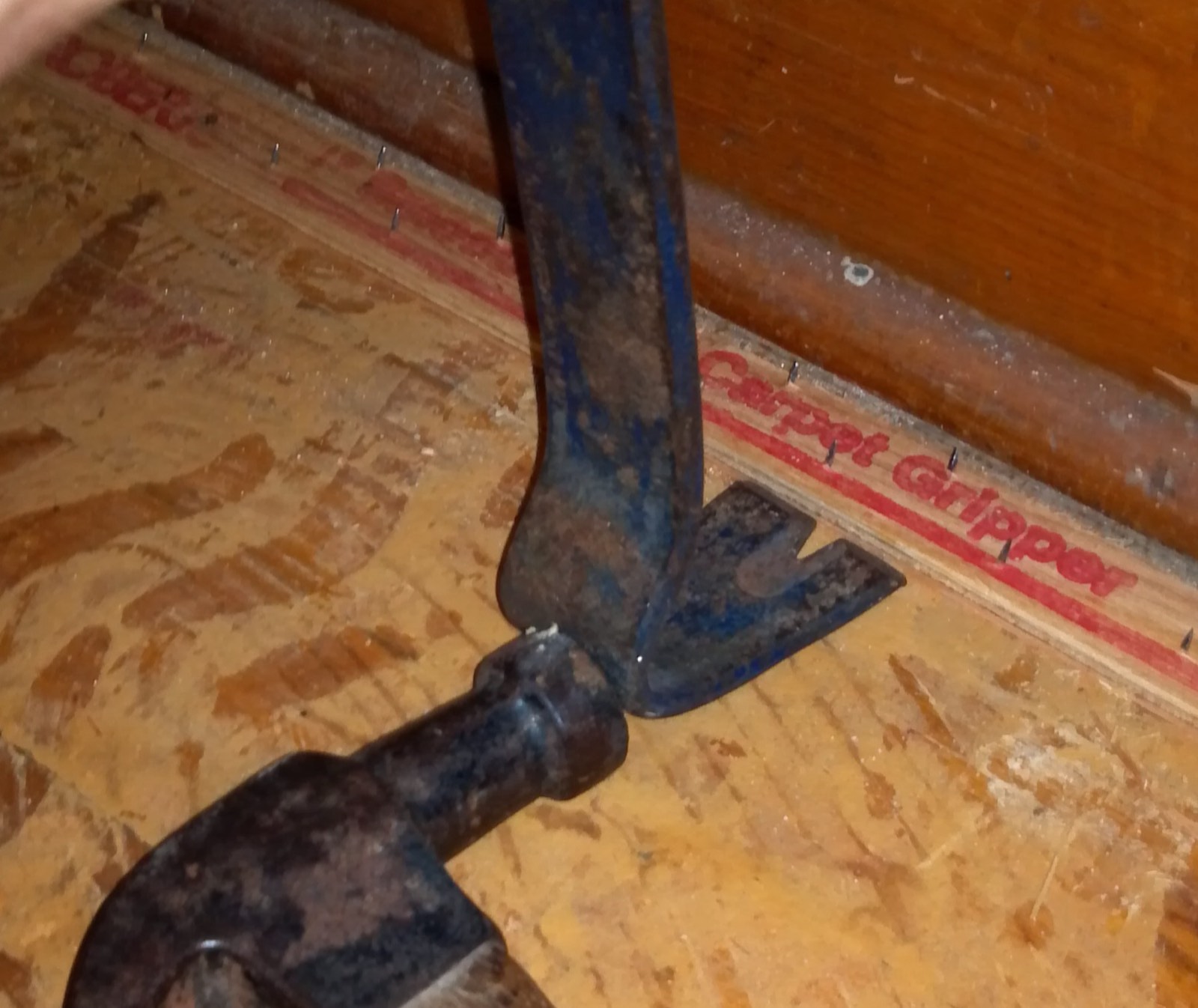
Cut it into strips. Strips about 4 feet wide roll tight and are easier to lift. Most city pickups and drop-off sites set a length or weight limit. Check the rules above.
Roll the pad separately. Many recycling sites take pad and carpet in separate piles.
Keep it dry. Wet carpet is much heavier, and recycling sites may turn it down.
Watch for tack strip. It has sharp nails. Wear gloves, and keep it out of the carpet rolls.
Booking our pickup? If the carpet is still down, leave it and add a pull-up to your booking. Move the furniture out of the room first.
Maybe. Athens gives you 2 free bulky pickups a year, with 6 items in total. It doesn't take construction debris, and its brochure counts carpet as construction material. Call Athens at (805) 852-5264 to ask first.
Simi Valley Landfill at 2801 Madera Road recycles carpet and pad for free. Bring it dry and rolled, with no other trash in the vehicle. Calabasas Landfill in Agoura Hills also takes carpet, but charges by the ton.
Yes. Thousand Oaks is inside the landfill's service area under County Ordinance No. 91-0003. The landfill is open Monday to Saturday, 8 a.m. to 5 p.m.
Carpet recycling is free at Simi Valley Landfill. Calabasas Landfill charges $83.13 per ton, with a 1-ton minimum, so even a small load costs $83.13.
No. Athens says waste from building or remodel work can't go in regular carts, and it names carpet as one example. Take it to a landfill or rent a bin.
The event takes construction materials and bulky items, so carpet should fit. It is only for Thousand Oaks residents with Athens service, and you need ID. The 2026 dates have passed, so check the city's page for new dates.
What we couldn't confirm: Whether Athens takes carpet as a bulky item, or what extra pickups cost. WM's Simi Valley Landfill page doesn't mention carpet, so the free carpet rate comes from Ventura County and CARE. Whether Calabasas Landfill charges carpet as trash or as a hard-to-handle item.
Checked November 23, 2026 against these sources, not by phone. How we research.